Year
2024
Industry
SaaS
Services
Branding
UI/UX
Web Design
About the project
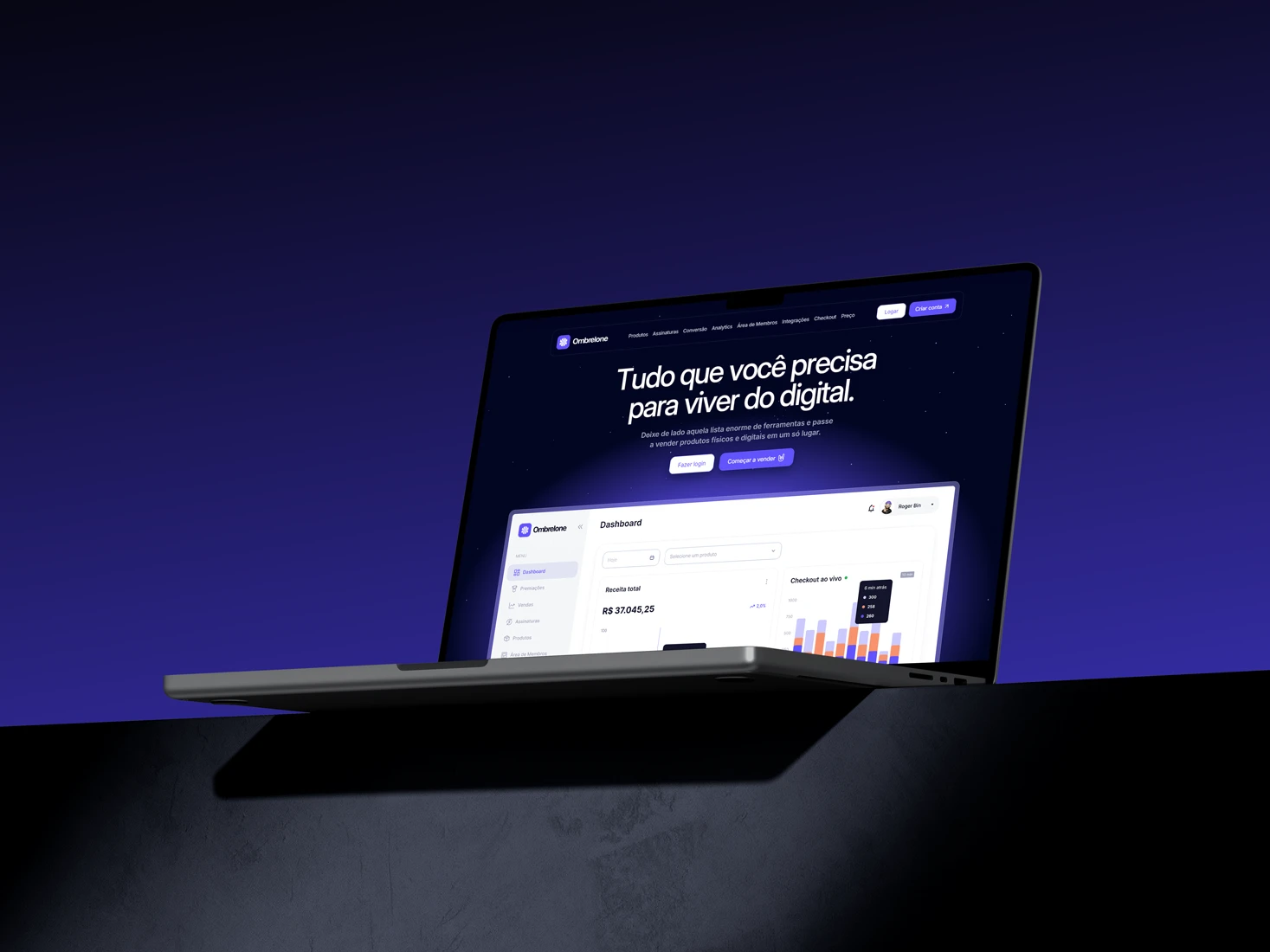
Ombrelone is a digital marketing platform designed to help creators, educators, and online sellers manage their businesses in one place. The goal was to merge tools for sales, webinars, metrics, and product management into a unified and intuitive experience. The project started as an MVP focused on speed, usability, and scalability, ensuring a cohesive brand presence across every touchpoint.
My Role & Responsibilities
As Lead Product Designer, I was responsible for the full design scope of the project — from defining the brand’s strategic foundation to building the product experience and collaborating with development.
Key responsibilities:
Developed the brand identity and visual strategy, ensuring consistency across product and marketing.
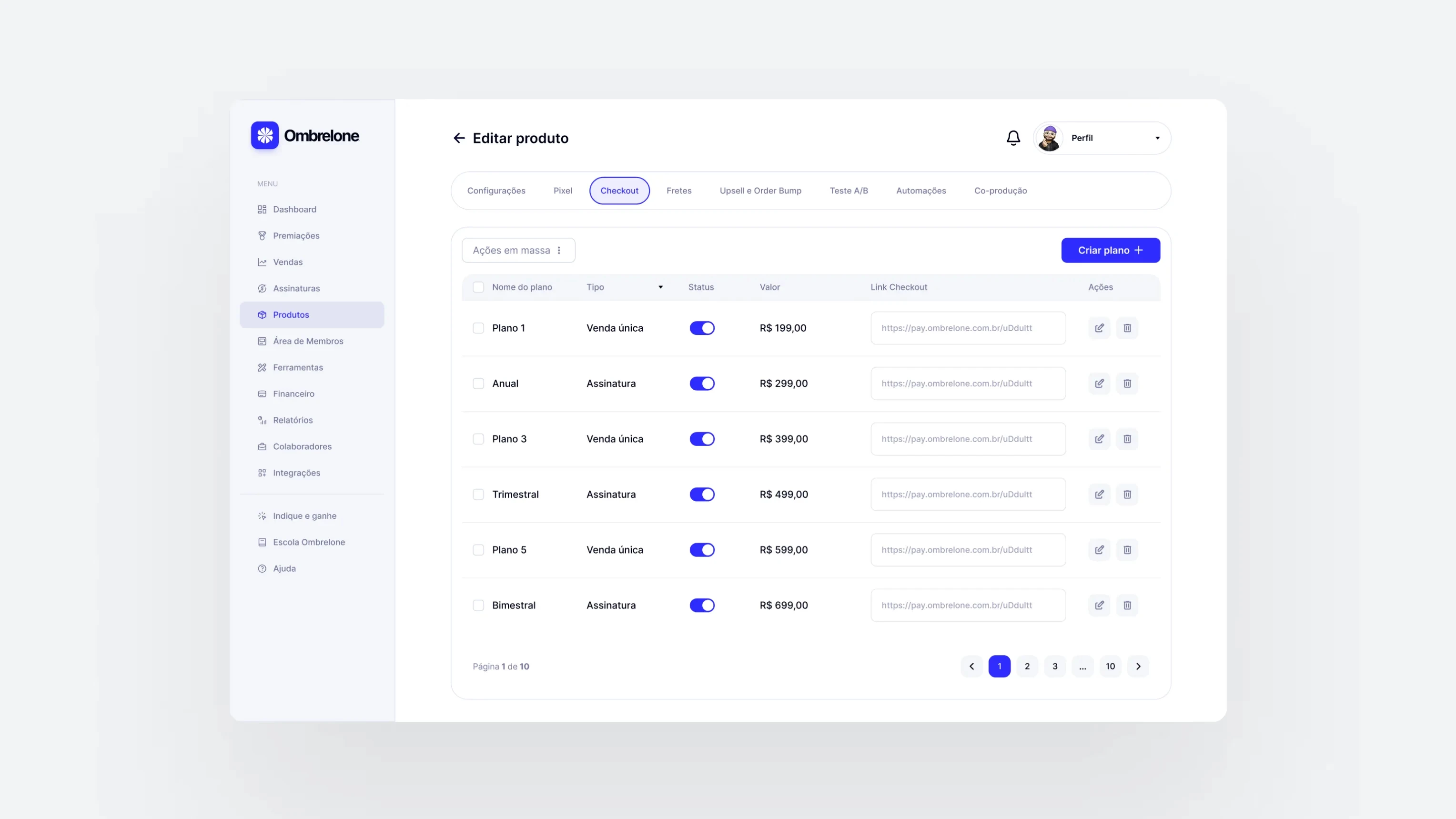
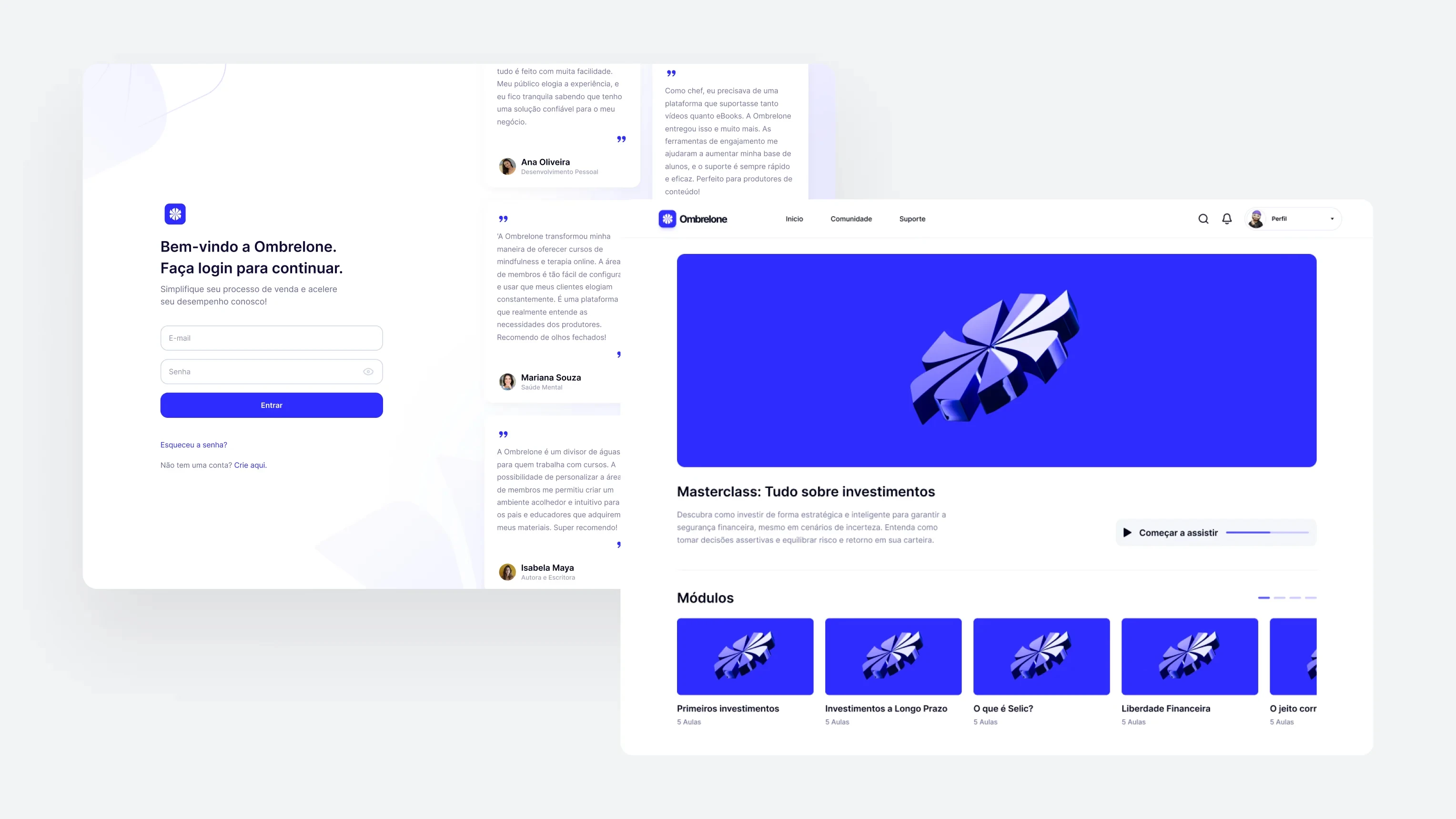
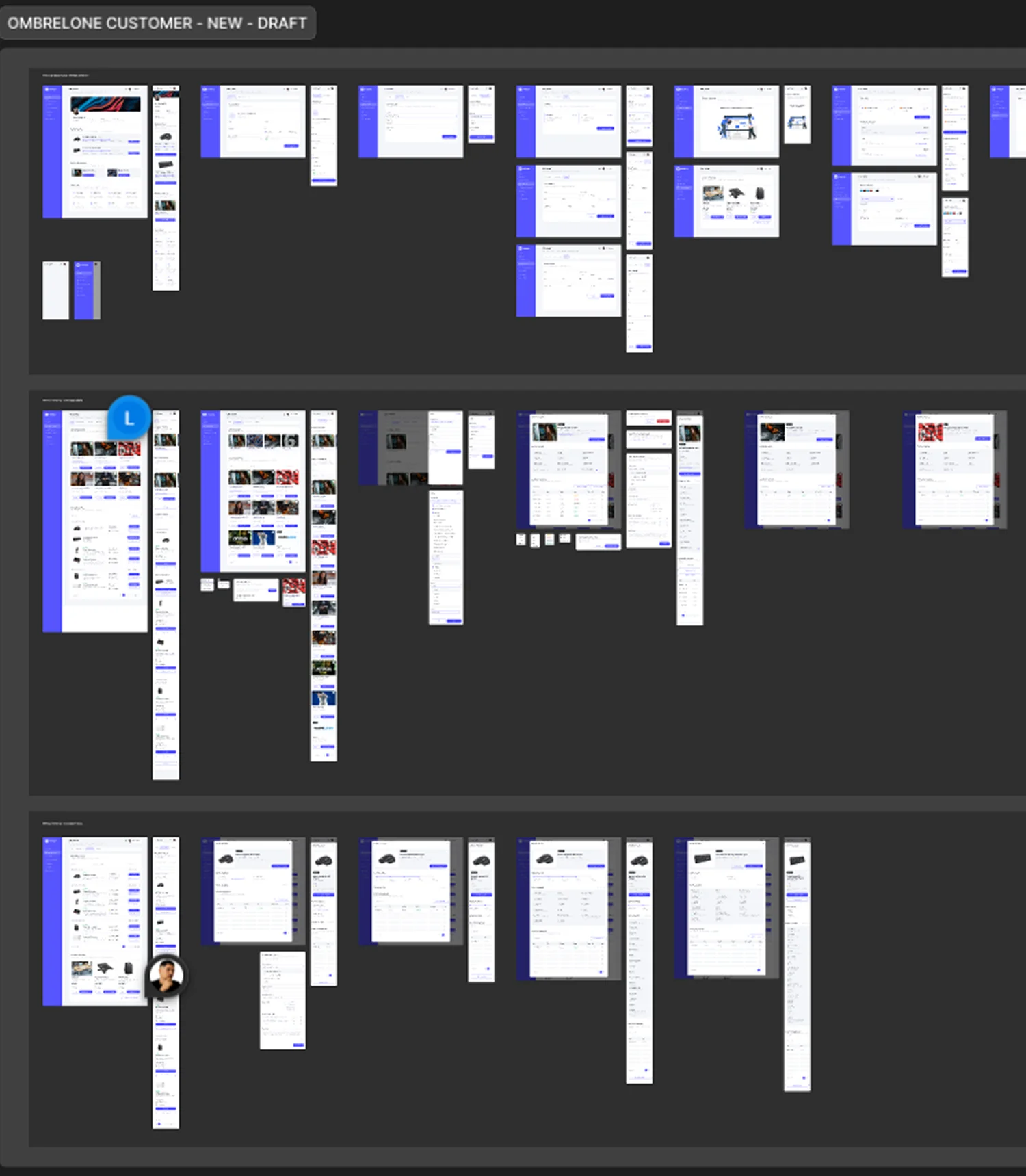
Designed the complete UI/UX for core modules such as onboarding, product management, customizable checkouts, and the member area.
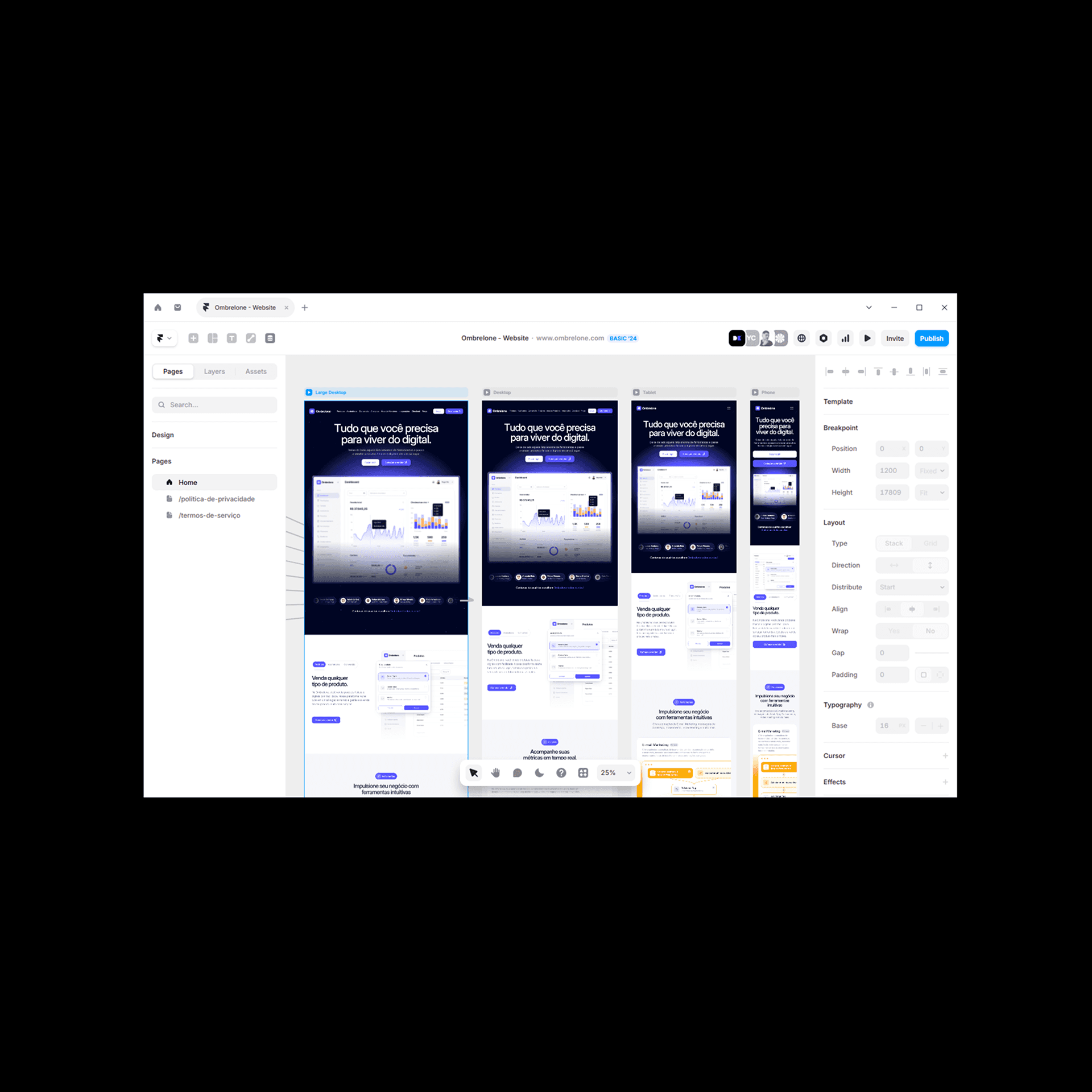
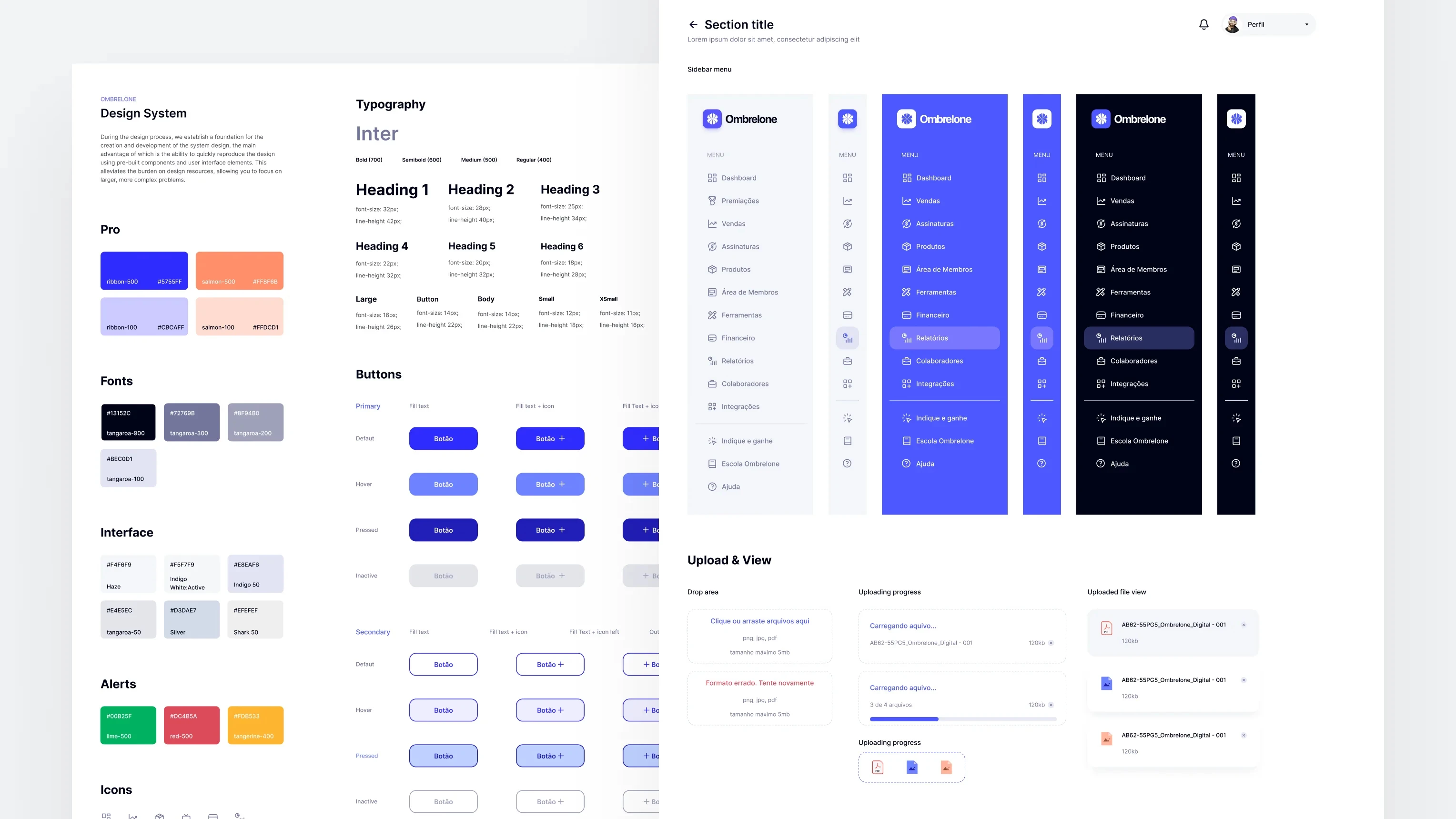
Built a Design System in Figma, documenting colors, typography, spacing, icons, components, and interaction patterns to ensure scalability and consistency.
Worked closely with developers through Slack and Jira, aligning implementation details and conducting design reviews.
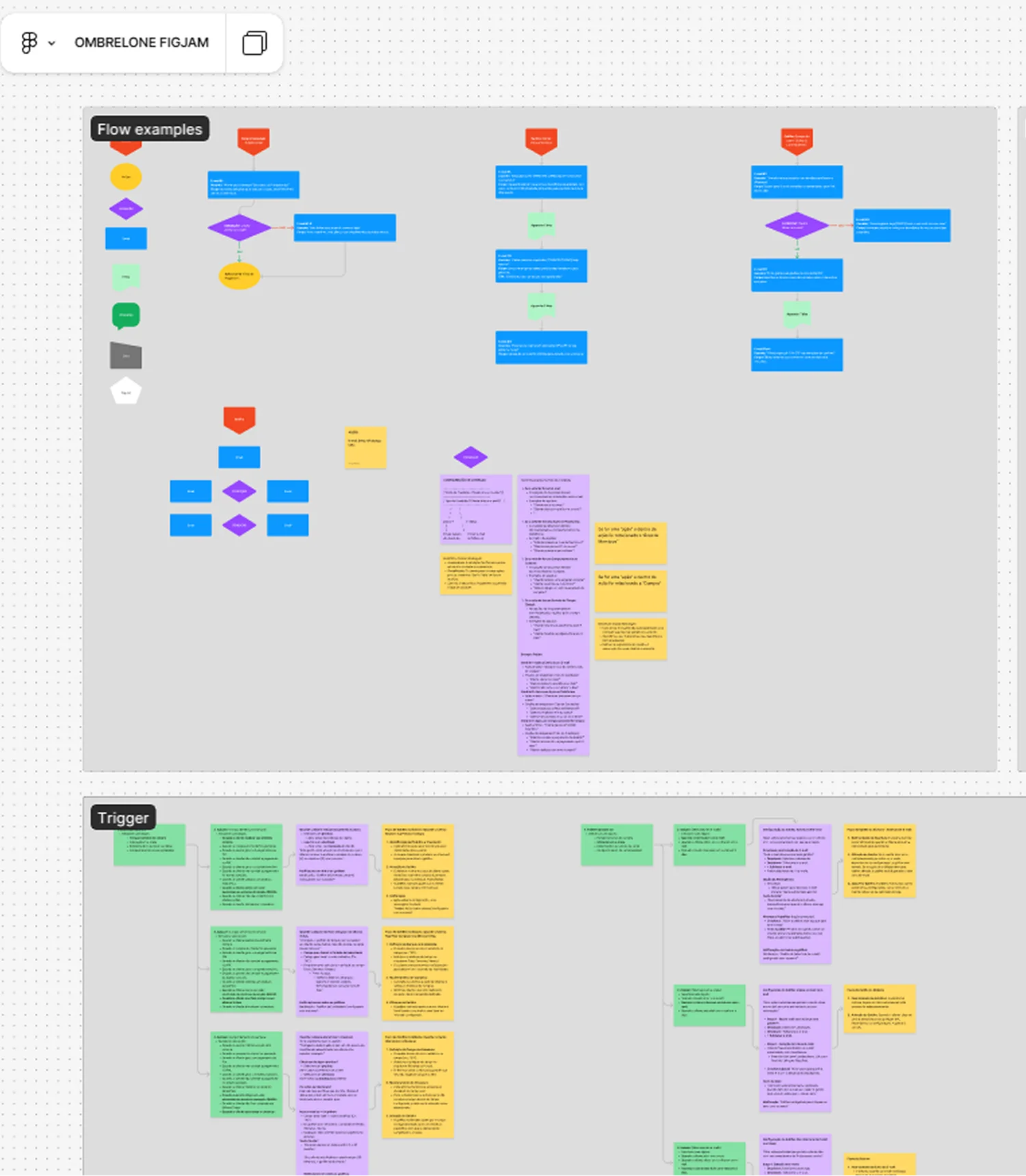
Structured user flows and wireframes in FigJam to map key experiences and simplify complex workflows.
Ensured product usability and responsiveness through testing and iterative refinement.
Contributed to sprint planning and cross-functional syncs to maintain speed and alignment during the MVP phase.
Foundation — Brand & Context
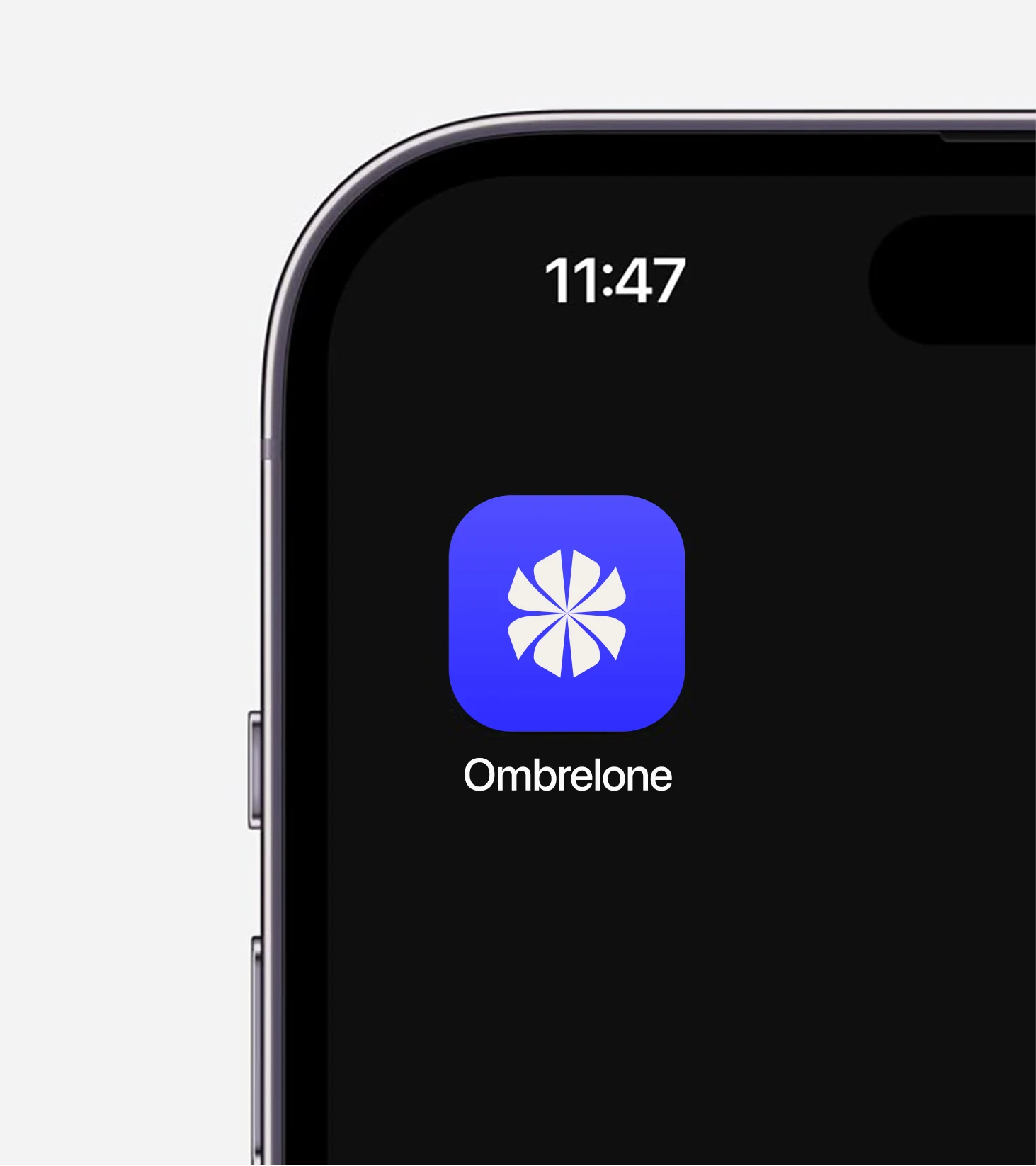
The project began with the need to create a strong foundation: a brand capable of uniting multiple marketing tools under one clear identity. The name Ombrelone symbolizes protection and unity, representing a space where all functionalities coexist in harmony.
From this concept, I developed a brand identity centered on clarity, strength, and adaptability. The symbol, inspired by the geometry of an umbrella, expresses stability and direction without being literal. A refined color palette of lilac-blue and soft salmon balanced modernity and warmth — helping the brand stand out in a market dominated by cold, tech-oriented tones.
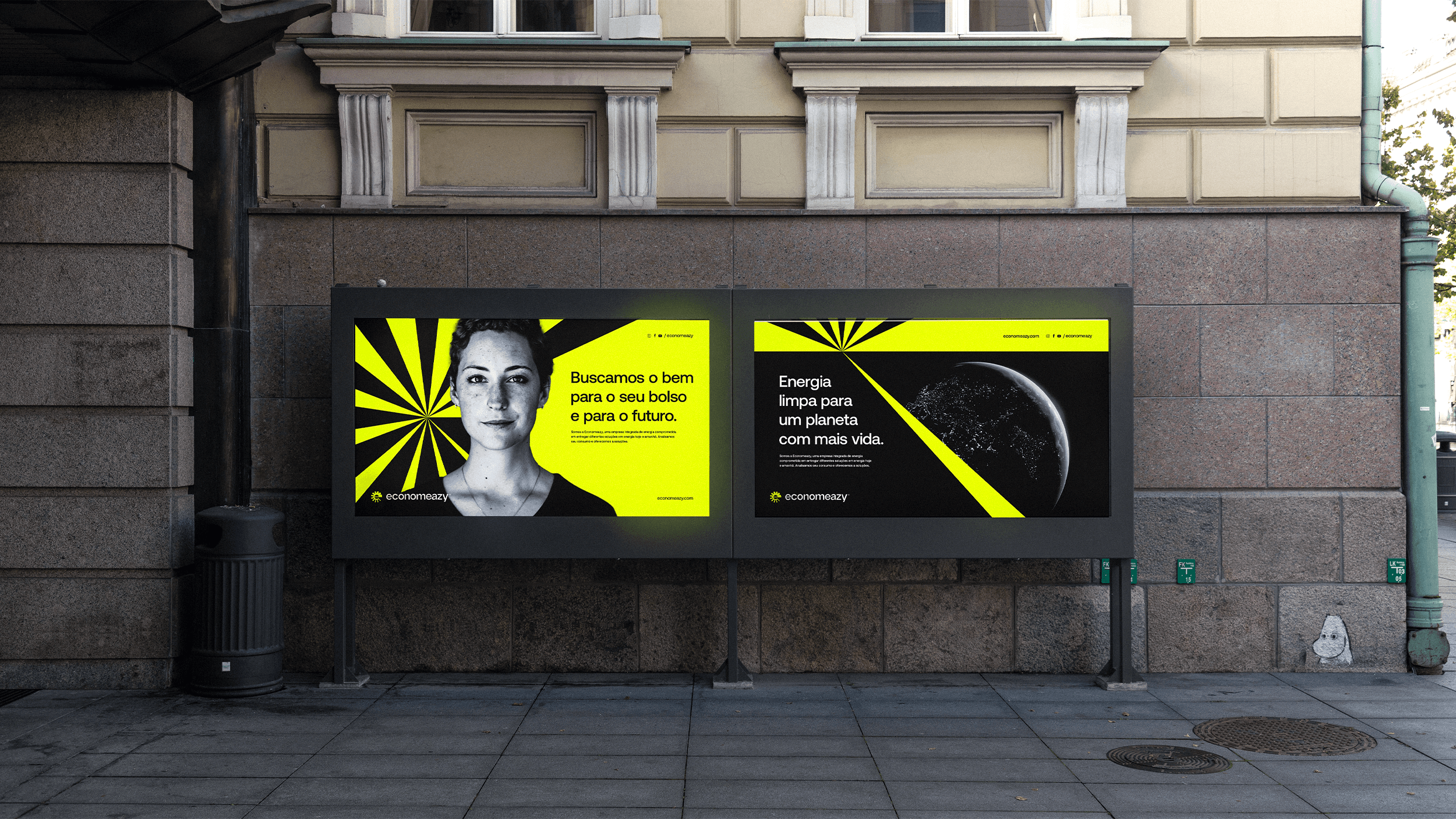
The typography and tone of voice were designed to communicate both structure and accessibility, reflecting the brand’s mission to simplify digital marketing for creators and businesses. The visual system was built to scale smoothly from product UI to promotional material, maintaining coherence across every touchpoint.

Product Design
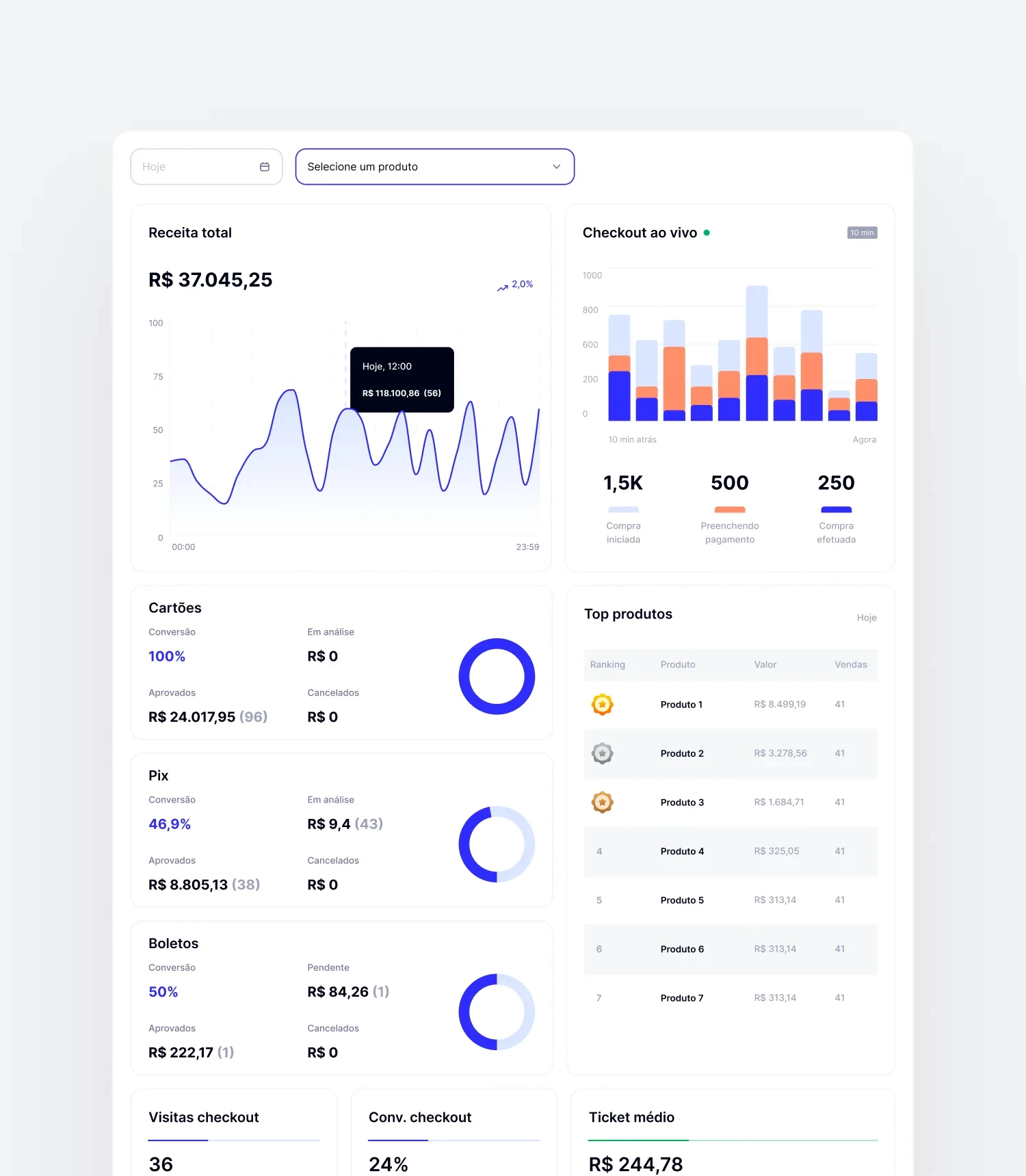
Once the brand was established, the next step was translating its principles into a functional, intuitive product. Ombrelone needed to turn complex marketing operations into a clean, guided experience.
I designed the platform architecture to prioritize clarity and flow, ensuring each interaction felt natural. The system included key modules such as:
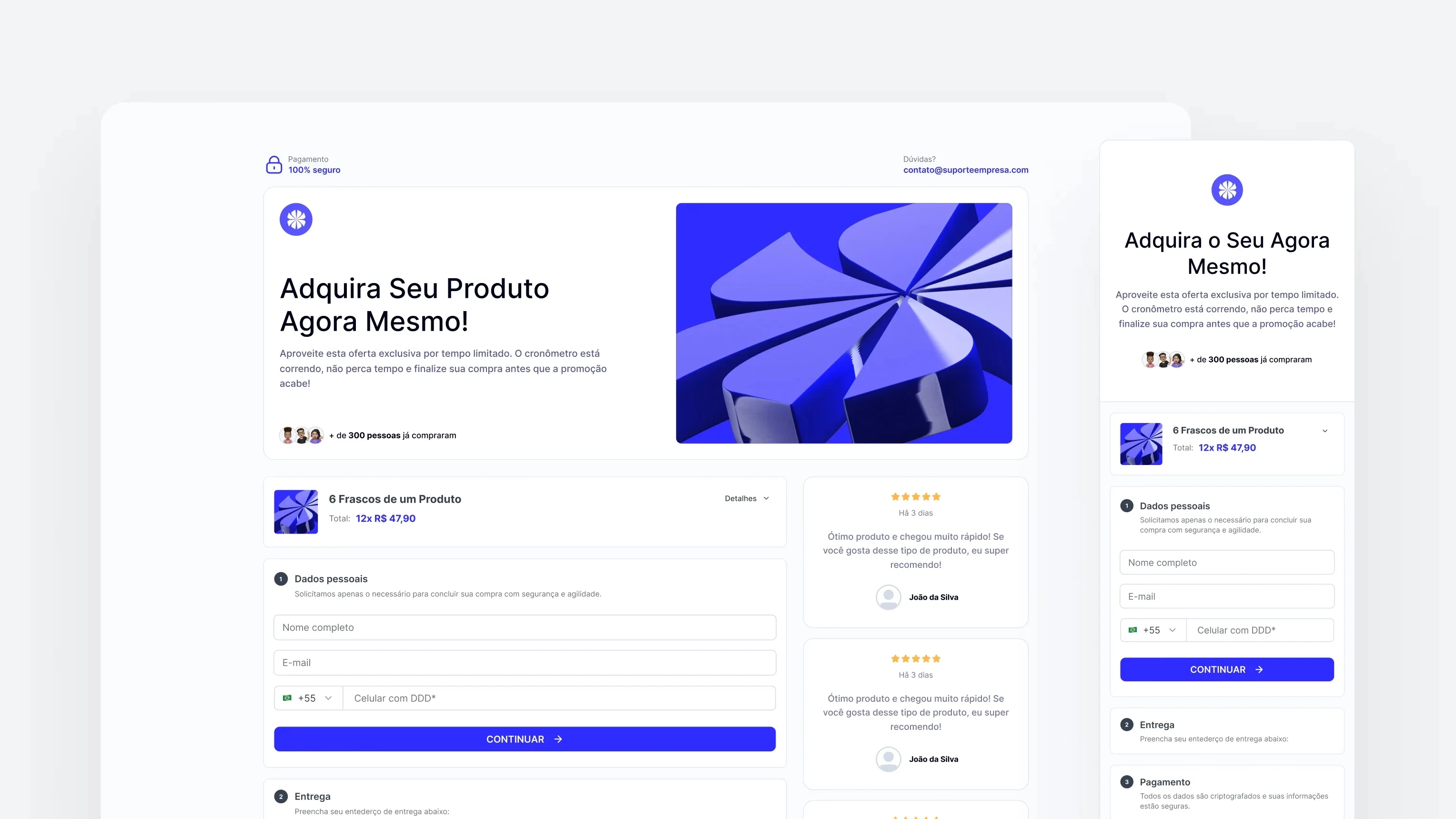
Customizable checkouts for physical and digital products, with tiered options for single purchases and subscriptions.
Product management dashboards with tables and forms designed for quick editing and scalability.
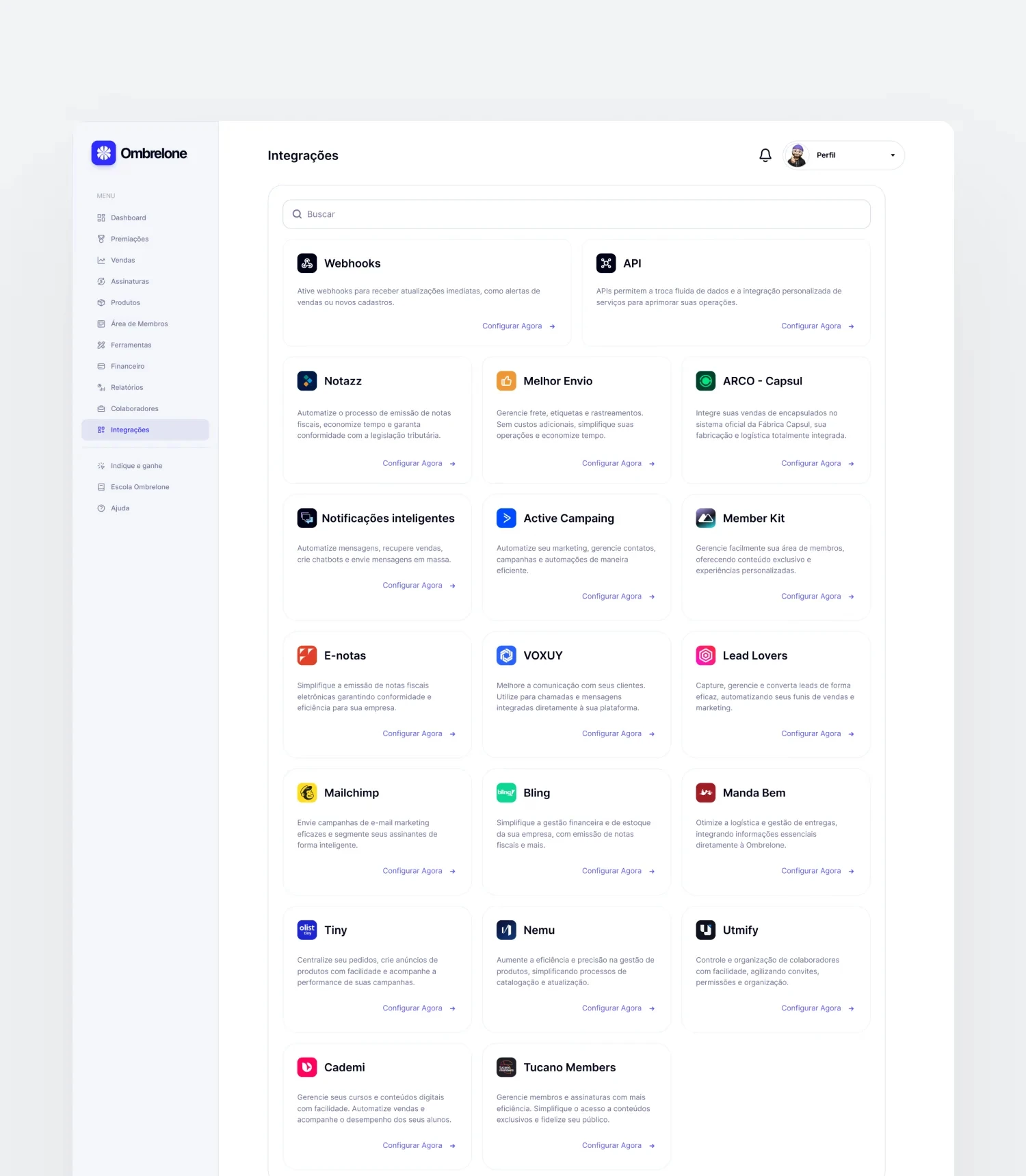
Integrations hub connecting external tools like payment gateways and lead management systems.
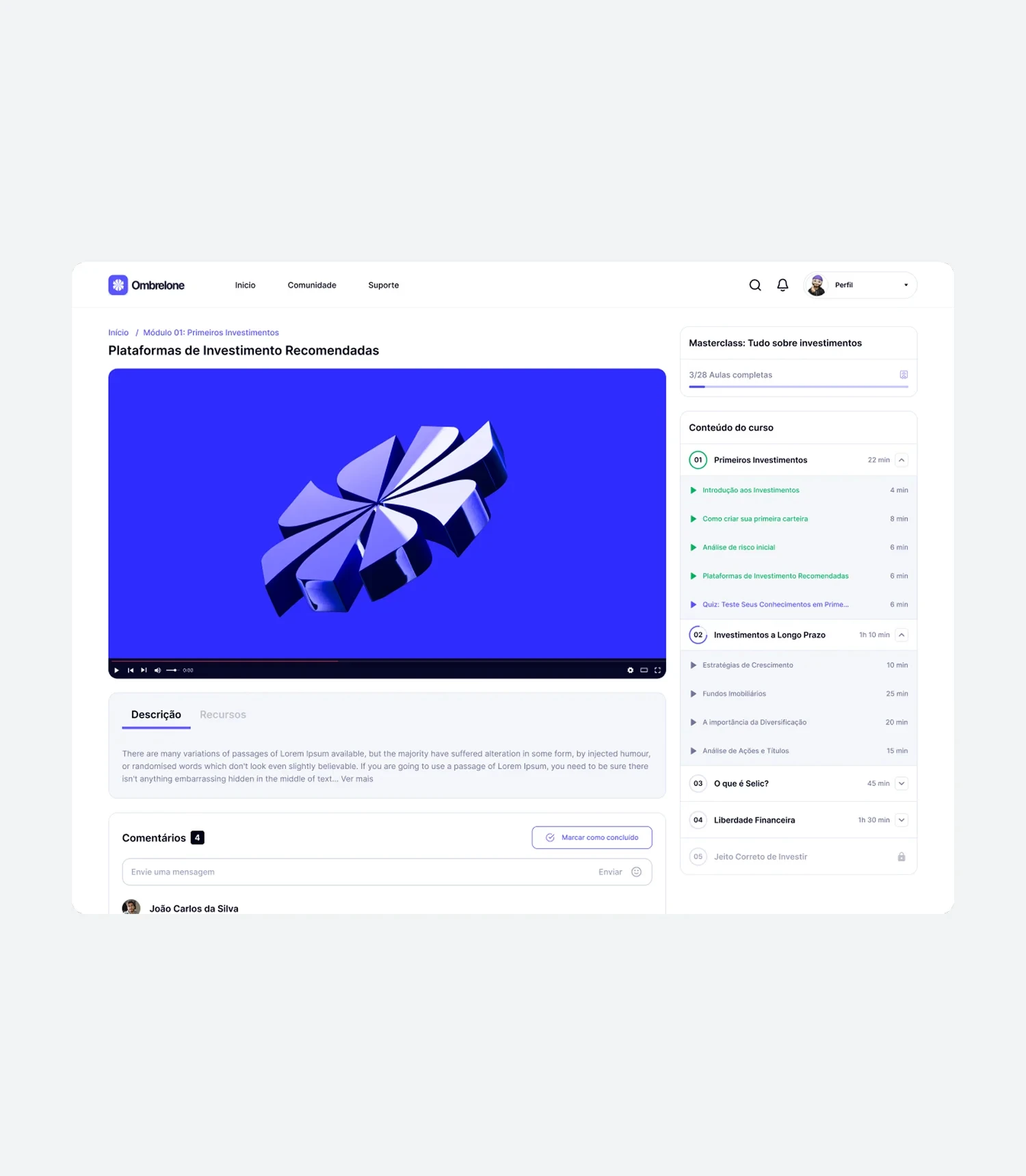
Member area optimized for course delivery, progress tracking, and interactive learning.
Webinar system merging live engagement, chat, and in-session checkout to reduce conversion friction.
Experience & Execution
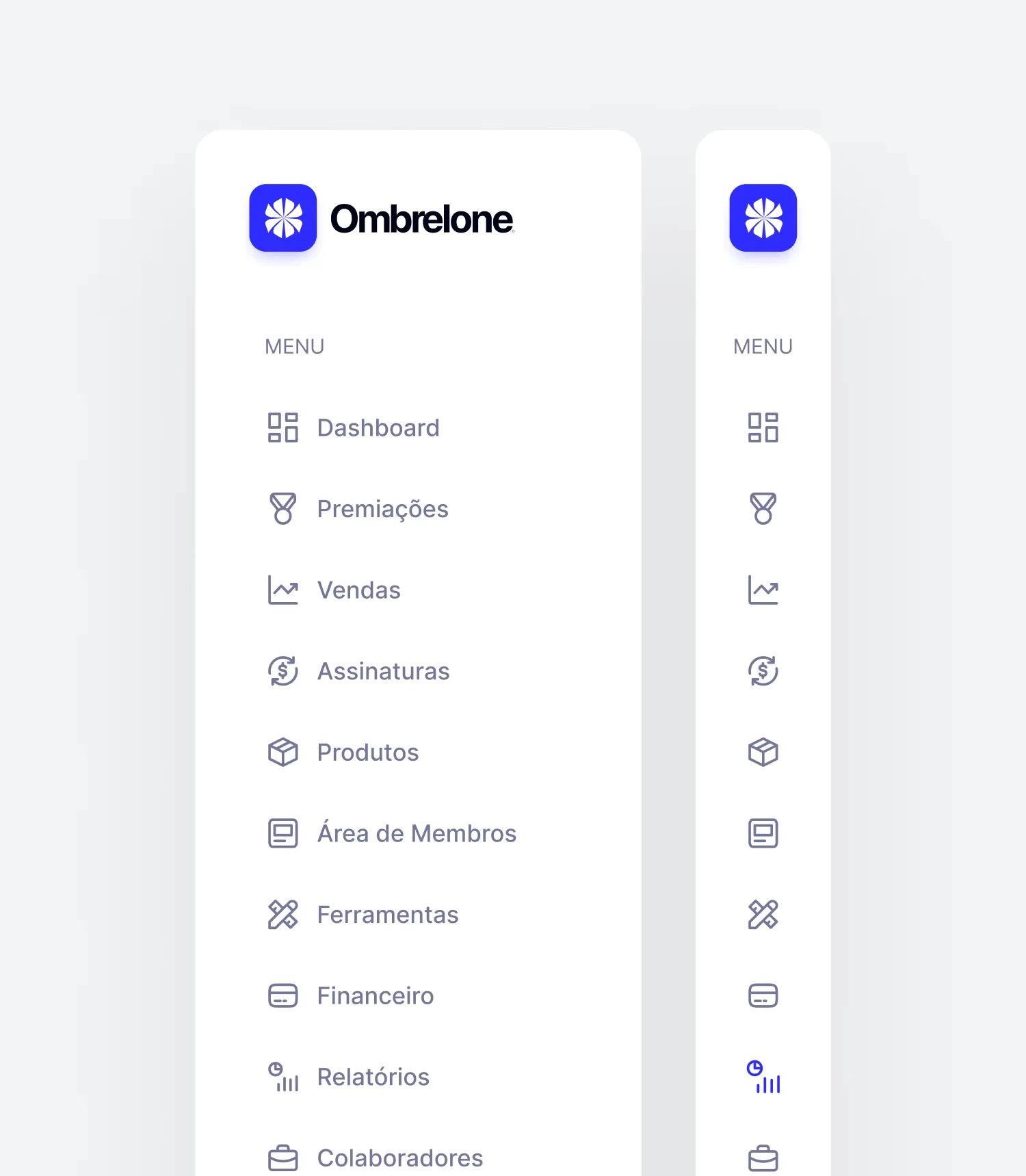
Parallel to the interface design, I created a comprehensive Design System, serving as the foundation for consistency and collaboration. It included detailed documentation of design tokens (colors, typography, spacing, grid), reusable UI components (inputs, modals, tables, icons), and usage guidelines. This system allowed developers to build confidently and maintain visual fidelity during implementation.
Close collaboration with developers was essential — daily syncs and testing cycles ensured design precision and technical feasibility. Each iteration aimed to reduce complexity while preserving brand coherence, making the experience not only functional but visually unified.
Outcome — Results & Learnings
Ombrelone evolved into a cohesive, scalable SaaS platform capable of supporting creators and digital businesses with tools that simplify growth. The MVP validated the business model and established a clear path for future product expansion.
The project demonstrated how branding and product design can be seamlessly integrated from day one. The design system improved communication between design and development, reducing rework and ensuring faster iteration cycles.
From a personal standpoint, this project strengthened my approach to balancing strategy, agility, and execution — proving that even under tight timelines, thoughtful design systems and strong collaboration can drive clarity, efficiency, and real business value.